Announcing Our $108M Fundraise | Seed + Series A
Corgi

Hired & Non-Owned Auto (HNOA) Insurance for Startups

Your company probably doesn't own a fleet of vehicles. But your employees still drive — to client meetings, to pick up lunch for an all-hands, to the airport for a conference. When an employee drives their personal car or a rental on company business and causes an accident, the injured party can sue your company. HNOA is a CGL endorsement that extends your liability coverage to these situations, sitting as an excess layer over the driver's personal auto insurance or the rental company's coverage.

Last reviewed April 24, 2026 · Reviewed by the Corgi Insurance team

Your team drives on company time. HNOA makes sure your company isn't exposed when they do.

What's Actually Inside Your HNOA Endorsement

Coverage structure under form CORG CGL 0101. Two coverage types — non-owned autos and hired autos — and how excess coverage works. Limits shown are illustrative; HNOA has its own sublimit within your CGL aggregate. Important: The coverage descriptions on this page are general summaries for informational purposes only. They do not constitute a policy, binder, or guarantee of coverage. Coverage is provided only under the terms, conditions, exclusions, and limits of the issued policy. Always refer to your actual policy wording and declarations page for the governing terms and conditions. If there is any conflict between this summary and the policy, the policy controls.

FORM CORG-HNOA-0100

Hired & Non-Owned Auto

SELF-INSURED RETENTION:$1,000 per occurrence

Non-Owned Auto Liability

SUBLIMIT:See declarations

Hired Auto Liability

SUBLIMIT:See declarations

Excess Coverage

OVER AUTO:Applies

CGL Aggregate

SHARED:Part of aggregate

Physical Damage

NOT COVERED:Excluded

Retention

PER OCCURRENCE:See declarations

Plain English on the Left. Policy Language on the Right.

What this policy pays for.

IF THIS HAPPENS…

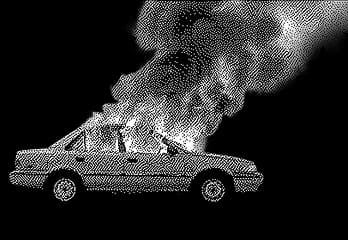
Your office manager drives her personal car to pick up catering for a team event. On the way back, she runs a red light and hits a cyclist, who suffers a broken leg and significant medical bills. The cyclist's attorney sues both your office manager and your company.1

Non-Owned Auto Liability responds on an excess basis

Non-Owned Auto Liability responds on an excess basis. When an employee drives their own vehicle on company business and causes bodily injury or property damage, your HNOA coverage steps in above the employee's personal auto insurance. The employee's personal policy pays first, up to its limits. If the claim exceeds those limits — or if the injured party sues the company directly — HNOA covers your company's liability for the excess.

SUBJECT TOHNOA sublimit within CGL aggregate, excess over personal auto

Your CTO rents a car at the airport for a business trip. While driving to the hotel, he hits a pedestrian in the crosswalk. The pedestrian sues your company.2

Hired Auto Liability responds on an excess basis

Hired Auto Liability responds on an excess basis. When an employee rents a vehicle for company business and causes an accident, your HNOA coverage provides excess liability protection above whatever insurance the rental company provides. Your company's liability exposure for the hired vehicle accident is covered.

SUBJECT TOHNOA sublimit within CGL aggregate, excess over rental company's insurance

Your marketing lead rents a van to transport booth materials to a trade show. While backing into the loading dock, she clips a vendor's parked trailer, causing $25,000 in damage.3

Hired Auto Liability responds on an excess basis for the property damage to the vendor's trailer

Hired Auto Liability responds on an excess basis for the property damage to the vendor's trailer. The rental company's insurance pays first; your HNOA covers your company's excess liability. Note: damage to the rental van itself is not covered under HNOA — that's a matter for the rental company's collision/damage waiver or your own physical damage coverage.

SUBJECT TOHNOA sublimit within CGL aggregate, excess over rental company's insurance

Scenario notes

1

HNOA is always excess over other available automobile insurance. The employee's personal auto policy (or the rental company's policy) pays first. HNOA does not replace or substitute for the driver's own auto insurance. Employees driving on company business should maintain their own personal auto coverage.

2

HNOA is a CGL endorsement, not a standalone policy. It has its own sublimit that is part of, and not in addition to, your CGL's aggregate limit. Check your Declarations page for the specific HNOA sublimit — it may be lower than your full CGL per-occurrence limit.

3

"Hired Auto" means a vehicle your company temporarily rents, hires, or borrows. It does not include vehicles rented or borrowed from your own employees, partners, officers, or members of their households. "Non-Owned Auto" means an employee-owned vehicle used on company business — these are covered.

Policy notes

HNOA does not cover: company-owned vehicles (you need a commercial auto policy); rideshare or livery use — vehicles used to carry persons or property for a charge (the public livery exclusion applies); physical damage to the rental car itself (arrange separate coverage through the rental company's collision/damage waiver or your own policy); or bodily injury to your own employees (that's workers' compensation).

Independent contractor vehicles are not covered under this endorsement. Coverage extends to vehicles driven by employees, partners, members, and executive officers of the named insured. A contractor using a company-rented vehicle may be covered under the Hired Auto provision (anyone using a hired auto with the company's permission), but a contractor's own personal vehicle is not a covered Non-Owned Auto.

The scenarios above are illustrative examples only and do not guarantee coverage for any specific claim. Actual coverage depends on the facts and circumstances of each claim and the specific terms of your issued policy. Results may differ based on policy endorsements, exclusions, limits, and applicable law.

How HNOA Compares

HNOA, Commercial Auto Policy, CGL (without HNOA) each respond to a different claim trigger and coverage boundary.

HNOA

What it covers: Liability when employees drive personal or rented cars on company business Vehicle ownership: Vehicles you don't own — employee personal cars and short-term rentals How it pays: Excess — the driver's personal insurance or rental policy pays first Key difference: Fills the gap for companies that don't own vehicles but have employees who drive for work. It's a CGL endorsement, not a separate policy.

Commercial Auto Policy

What it covers: Liability (and optionally physical damage) for company-owned vehicles Vehicle ownership: Vehicles your company owns, leases, or regularly uses How it pays: Primary — this is the first policy to respond for company-owned vehicles Key difference: For companies that own or lease vehicles. Most startups don't need this unless they have a fleet.

CGL (without HNOA)

What it covers: Bodily injury and property damage from your business operations — but not auto-related Vehicle ownership: No vehicles — auto is specifically excluded from base CGL How it pays: Not applicable — if an auto is involved, base CGL typically excludes the claim Key difference: Without HNOA, your CGL has an auto exclusion. If an employee causes an accident while driving for work, you have a gap.

Industry Applicability & Compliance

Coverage Trigger

Non-Owned Auto Liability responds on an excess basis responds when your office manager drives her personal car to pick up catering for a team event. on the way back, she runs a red light and hits a cyclist, who suffers a broken leg and significant medical bills. the cyclist's attorney sues both your office manager and your company.

Policy Boundaries

HNOA is always excess over other available automobile insurance. The employee's personal auto policy (or the rental company's policy) pays first. HNOA does not replace or substitute for the driver's own auto insurance. Employees driving on company business should maintain their own personal auto coverage. HNOA is a CGL endorsement, not a standalone policy. It has its own sublimit that is part of, and not in addition to, your CGL's aggregate limit. Check your Declarations page for the specific HNOA sublimit — it may be lower than your full CGL per-occurrence limit.

Available Extensions

Available add-ons include Commercial Auto Policy (separate policy). Endorsements are required where noted and availability may vary by jurisdiction and underwriting.

Available Add-ons

Commercial Auto Policy (separate policy)

If your company owns, leases, or regularly uses vehicles, you need a standalone Commercial Auto policy. HNOA only covers non-owned and hired auto situations. [Separate policy — talk to your Corgi advisor]

Our Core Coverages

HNOA pairs naturally with CGL, Tech E&O, Cyber, EPLI, and more — modular coverage that grows with you.

Commercial General Liability (CGL)
Instant quote

Commercial General Liability (CGL)

Protects your business against third-party claims for bodily injury, property damage, and personal or advertising injury arising from your operations.

Cyber Liability
Instant quote

Cyber Liability

Protects against losses and claims resulting from data breaches, cyberattacks, and network security failures.

Tech & AI Liability
Instant quote

Tech & AI Liability

Covers claims alleging your technology products or services failed to perform as intended, causing financial harm to a client.

Directors & Officers
Instant quote

Directors & Officers

Covers claims made against company leaders for alleged wrongful acts in managing the business.

Employment Practices Liability (EPLI)
Instant quote

Employment Practices Liability (EPLI)

Protects against claims alleging wrongful termination, discrimination, harassment, or other employment-related issues.

Fiduciary Liability
Instant quote

Fiduciary Liability

Protects your company and plan fiduciaries against claims alleging mismanagement of employee benefit plans, including retirement and health plans.

Media Liability
Instant quote

Media Liability

Protects against claims arising from your published or distributed content, including allegations of defamation, copyright infringement, or invasion of privacy.

Hired and Non-Owned Auto (HNOA)
Instant quote

Hired and Non-Owned Auto (HNOA)

Provides liability coverage when employees use rented or personal vehicles for company business.

See specialized coverages

HNOA Glossary

Key terms from the policy language and approved coverage summary.

Non-Owned Auto
A vehicle that your company doesn't own, lease, or regularly use, but that an employee drives on company business. The most common example: your employee drives their personal car to a client meeting.
Hired Auto
A vehicle that your company temporarily rents, hires, or borrows for business use. A rental car at the airport is the classic example. Note: vehicles hired from employees, partners, officers, or members of their households are excluded from the Hired Auto definition.
Excess Coverage
HNOA doesn't pay first. It sits on top of the driver's personal auto insurance or the rental company's coverage. The underlying policy pays up to its limits, and then HNOA picks up the excess. This is different from primary coverage, which pays from dollar one.
Public Livery Exclusion
HNOA does not cover vehicles used to transport people or property for a fee — taxis, rideshares, delivery services. If your employee is driving for Uber on the side and happens to be going to a work meeting, the livery exclusion applies.
Bodily Injury / Property Damage
Same definitions as your CGL policy. Bodily injury means physical harm to a person. Property damage means physical damage to someone else's tangible property. HNOA covers liability for both when caused by employee driving on company business.

FAQ

Your company probably doesn't own a fleet of vehicles. But your employees still drive — to client meetings, to pick up lunch for an all-hands, to the airport for a conference. When an employee drives their personal car or a rental on company business and causes an accident, the injured party can sue your company. HNOA is a CGL endorsement that extends your liability coverage to these situations, sitting as an excess layer over the driver's personal auto insurance or the rental company's coverage.
Common covered scenarios include: Your office manager drives her personal car to pick up catering for a team event. On the way back, she runs a red light and hits a cyclist, who suffers a broken leg and significant medical bills. The cyclist's attorney sues both your office manager and your company. Your CTO rents a car at the airport for a business trip. While driving to the hotel, he hits a pedestrian in the crosswalk. The pedestrian sues your company. Your marketing lead rents a van to transport booth materials to a trade show. While backing into the loading dock, she clips a vendor's parked trailer, causing $25,000 in damage.
HNOA is always excess over other available automobile insurance. The employee's personal auto policy (or the rental company's policy) pays first. HNOA does not replace or substitute for the driver's own auto insurance. Employees driving on company business should maintain their own personal auto coverage. HNOA is a CGL endorsement, not a standalone policy. It has its own sublimit that is part of, and not in addition to, your CGL's aggregate limit. Check your Declarations page for the specific HNOA sublimit — it may be lower than your full CGL per-occurrence limit. "Hired Auto" means a vehicle your company temporarily rents, hires, or borrows. It does not include vehicles rented or borrowed from your own employees, partners, officers, or members of their households. "Non-Owned Auto" means an employee-owned vehicle used on company business — these are covered.
Available add-ons include Commercial Auto Policy (separate policy). Coverage applies only when the relevant endorsement or separate policy is issued.

Can’t find an answer to your question? Get in touch

Industries that especially need HNOA Insurance